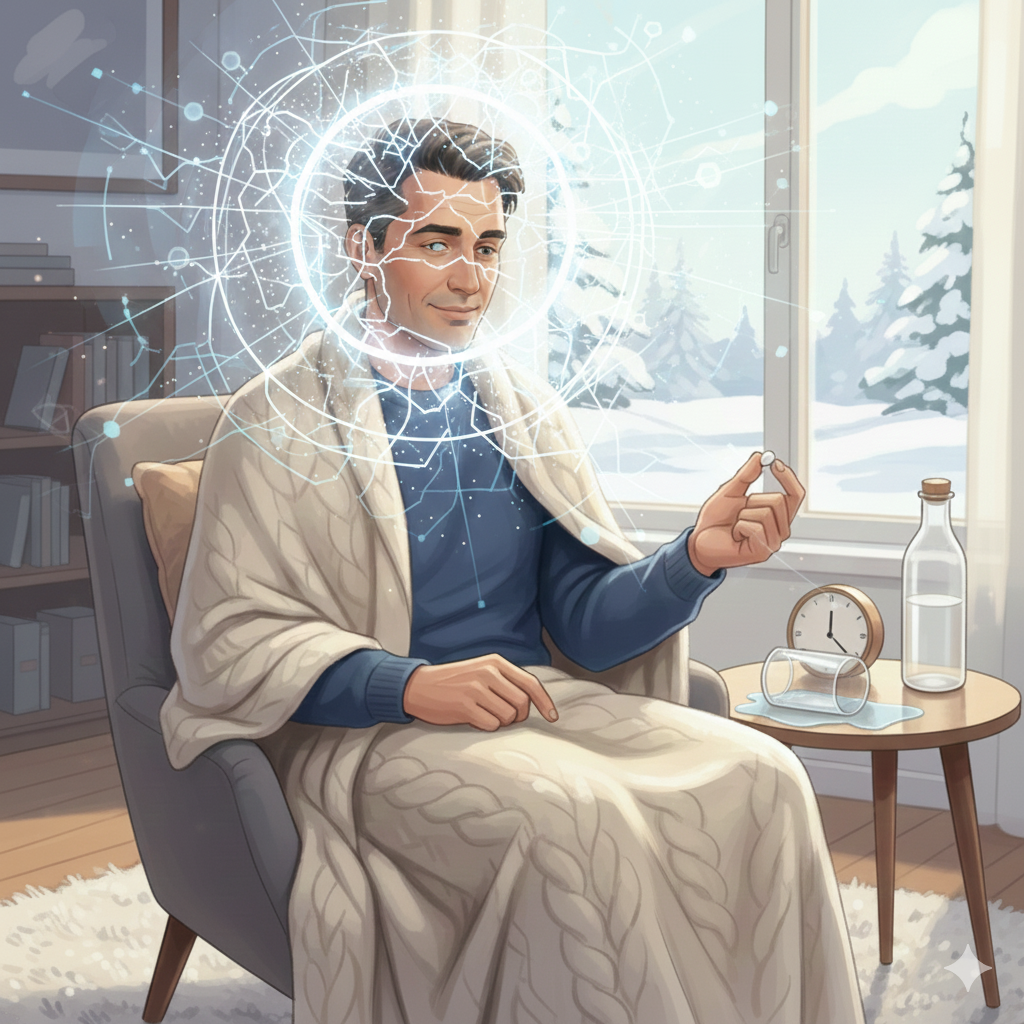
Winter can be a challenging season for people living with epilepsy. Cold weather, disturbed sleep patterns, seasonal illnesses, and lifestyle changes can increase the risk of seizures if proper care is not taken. With a few mindful precautions, it is possible to stay safe, healthy, and seizure-controlled throughout the winter months.
Why Winter Needs Extra Attention in Epilepsy
During winter, several factors can lower the seizure threshold:
- Irregular sleep schedules
- Cold-related stress on the body
- Fever and infections
- Missed medications due to routine changes
Understanding these risks helps in better seizure prevention.
1. Prioritize Regular & Quality Sleep
Sleep deprivation is one of the most common seizure triggers.
Winter tips for better sleep:
- Maintain a fixed bedtime and wake-up time, even on holidays.
- Keep the bedroom warm and comfortable.
- Avoid late-night screen time and heavy meals.
- Manage winter insomnia early by consulting your neurologist if needed.
2. Never Skip Your Medications
Cold weather, travel, or seasonal laziness can sometimes lead to missed doses.
Medication safety tips:
- Take anti-seizure medicines at the same time every day.
- Use reminders or pill organizers.
- Carry extra medication when traveling.
- Never adjust doses without medical advice.
Consistency is key to seizure control.
3. Protect Yourself from Winter Infections & Fever
Fever and infections can trigger seizures, especially in children.
Preventive steps:
- Get adequate rest and nutrition.
- Practice good hand hygiene.
- Treat fever promptly with doctor-recommended medications.
- Seek medical help early if infections worsen.
4. Manage Stress & Seasonal Mood Changes
Winter stress, anxiety, and seasonal depression can affect brain activity.
Helpful strategies:
- Practice relaxation techniques like deep breathing or meditation.
- Stay socially connected, even during colder days.
- Engage in light physical activity indoors.
- Seek professional help if mood changes persist.
5. Eat Well & Stay Hydrated
Winter dehydration and poor diet can impact seizure control.
Nutrition tips:
- Eat balanced meals with fruits, vegetables, whole grains, and proteins.
- Avoid skipping meals.
- Limit caffeine and junk food.
- Drink enough water, even if you don’t feel thirsty.
If advised by your doctor, follow special diets (like ketogenic diet) strictly under supervision.
6. Stay Warm & Safe
Cold exposure can stress the body and indirectly increase seizure risk.
Safety measures:
- Dress in warm layers.
- Avoid sudden exposure to extreme cold.
- Take precautions while bathing to prevent slips or injuries.
- Ensure a safe environment in case of a seizure.
7. Know When to Consult Your Neurologist
Seek medical advice if:
- Seizures increase in frequency
- Sleep problems worsen
- Fever or infections persist
- Medication side effects appear
Early consultation can prevent complications.
Winter doesn’t have to be difficult for people with epilepsy. By maintaining regular sleep, strict medication adherence, good nutrition, stress control, and infection prevention, seizures can be effectively managed even during colder months.
With the right care and medical guidance, you can enjoy a safe, healthy winter.